Buying Karnataka Green Coffee: What Roasters Need to Know
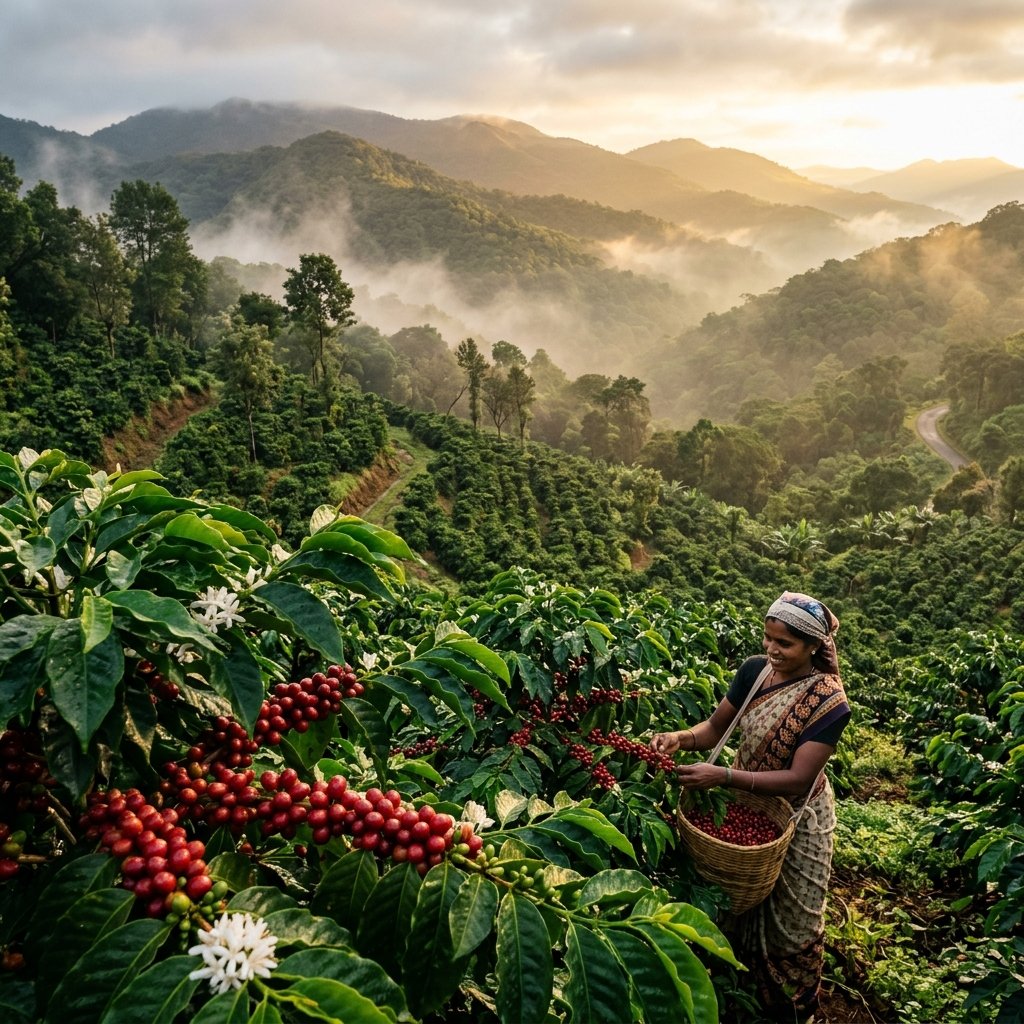
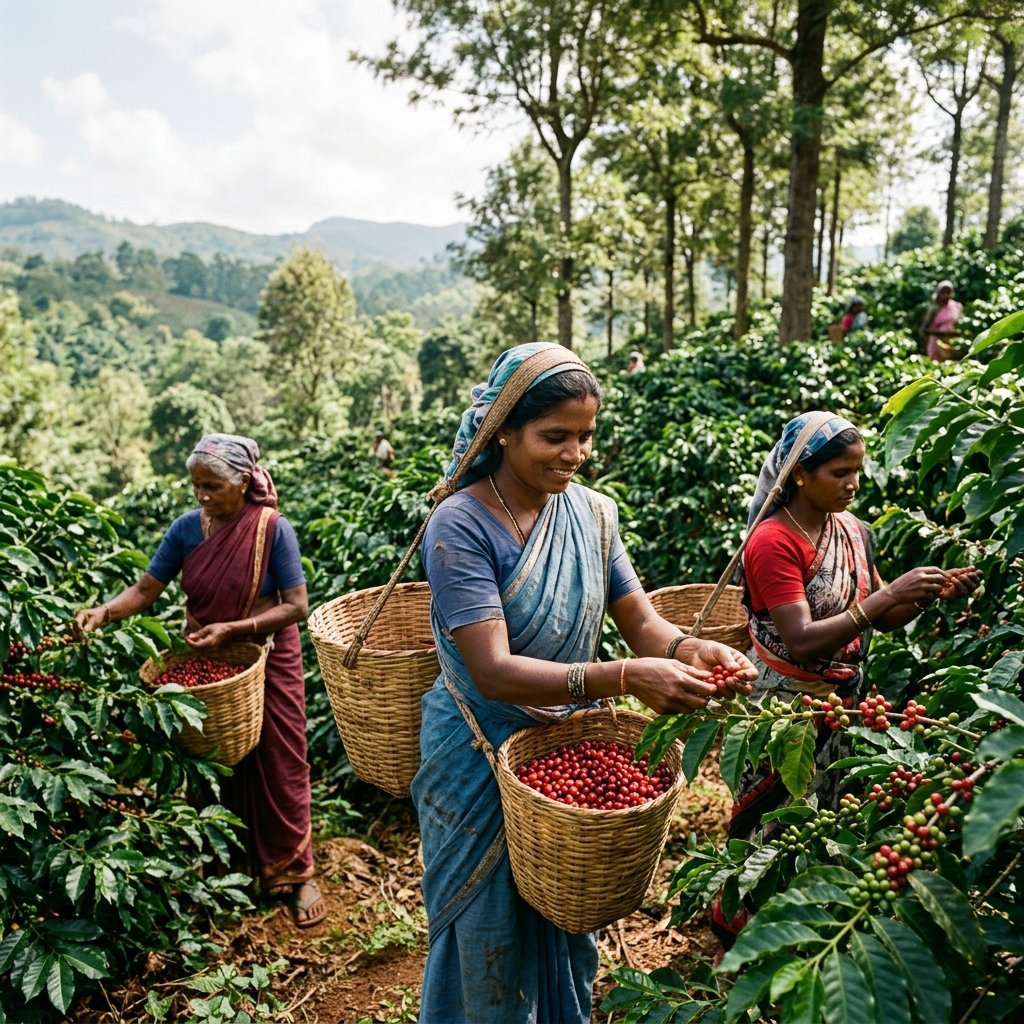
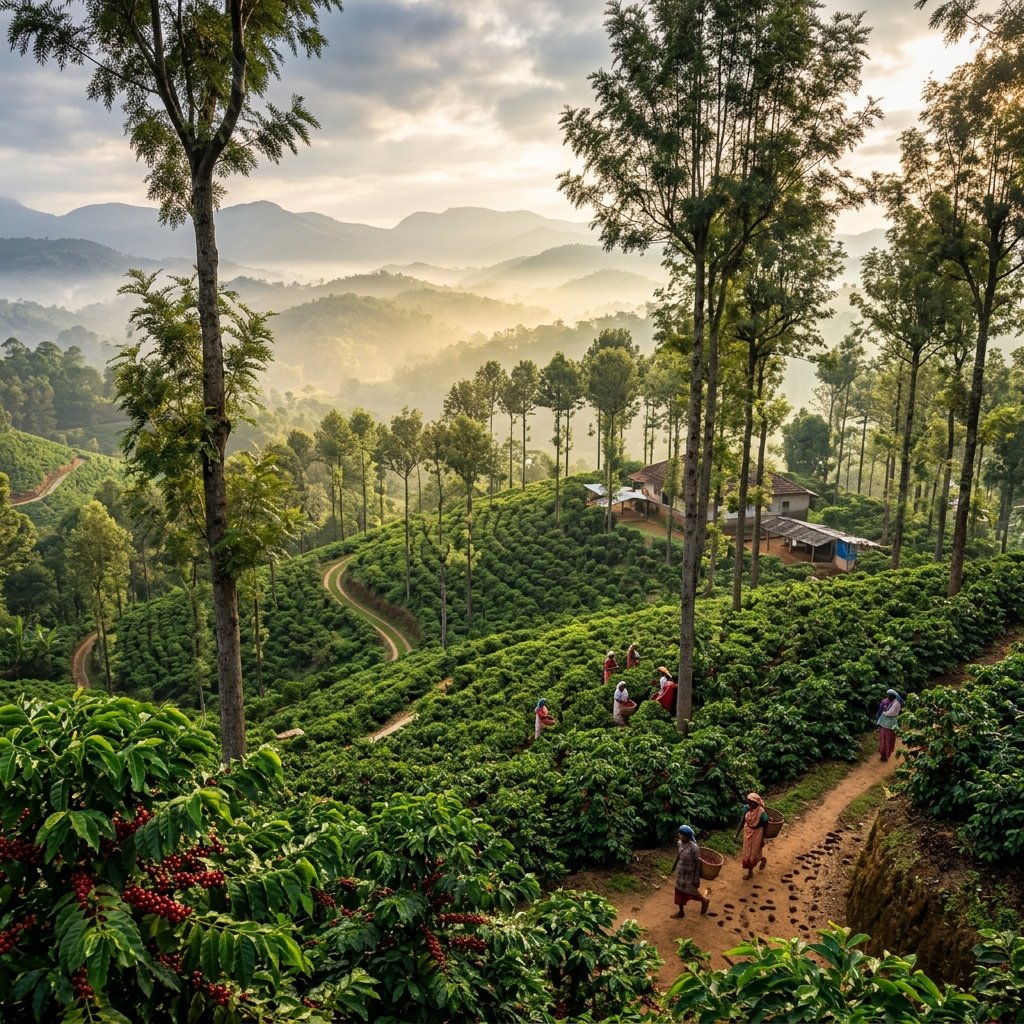
The global specialty coffee market has long been dominated by the narratives of East Africa and Latin America — but Karnataka, India's largest coffee-producing state, is rapidly redefining what Indian origin can deliver at the specialty grade. With over 70% of India's total coffee output grown in Karnataka's Western Ghats, this is not an emerging origin — it is an established, large-scale growing region that has, until recently, been largely invisible to the specialty buying world.
What has changed is processing. The widespread adoption of raised-bed drying, honey and natural processing methods, and the introduction of SCA-certified quality assessment at the estate level has created a new tier of Karnataka coffee that performs confidently alongside its East African and South American counterparts at the cupping table. MV Globex has been instrumental in this transition — funding raised-bed infrastructure, co-designing processing protocols, and introducing our lots to international buyers who had previously dismissed Indian origin as commodity-grade.
Processing Methods and What They Mean for Your Roastery
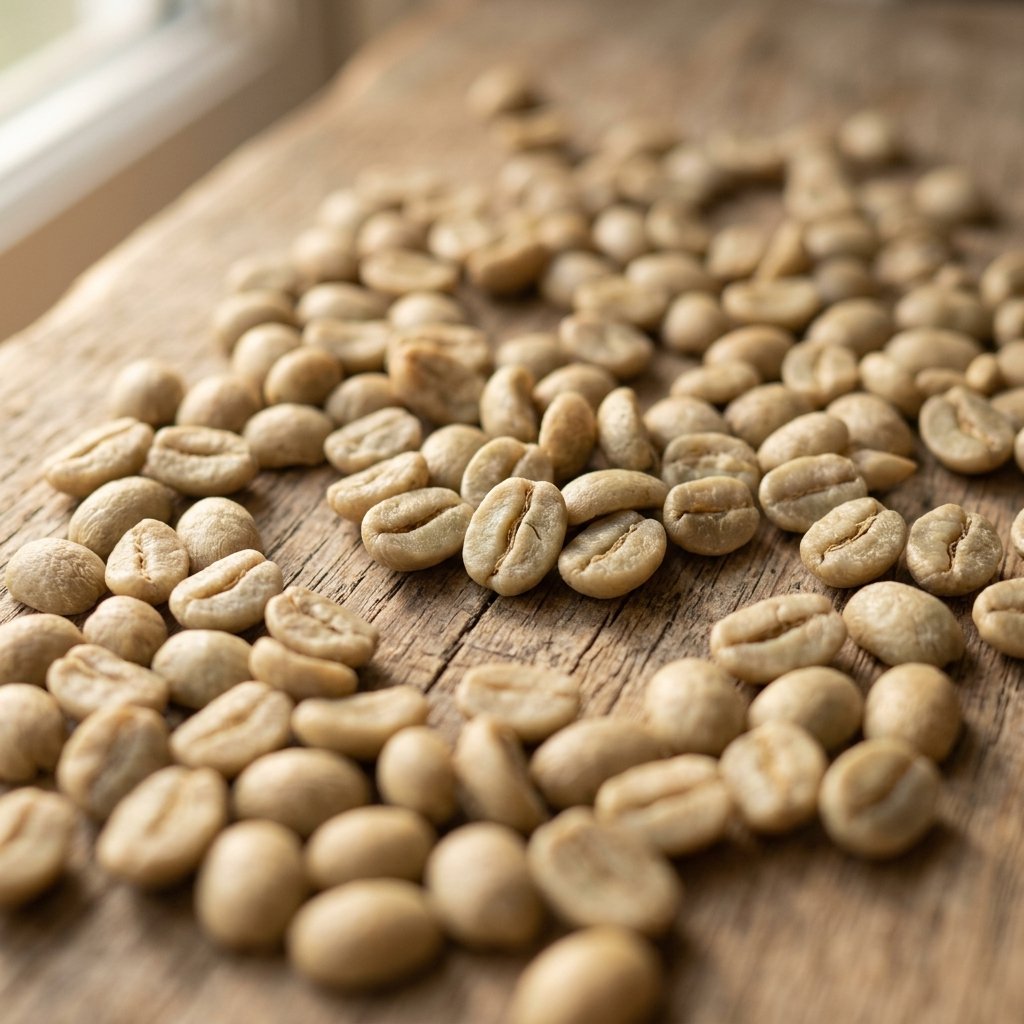
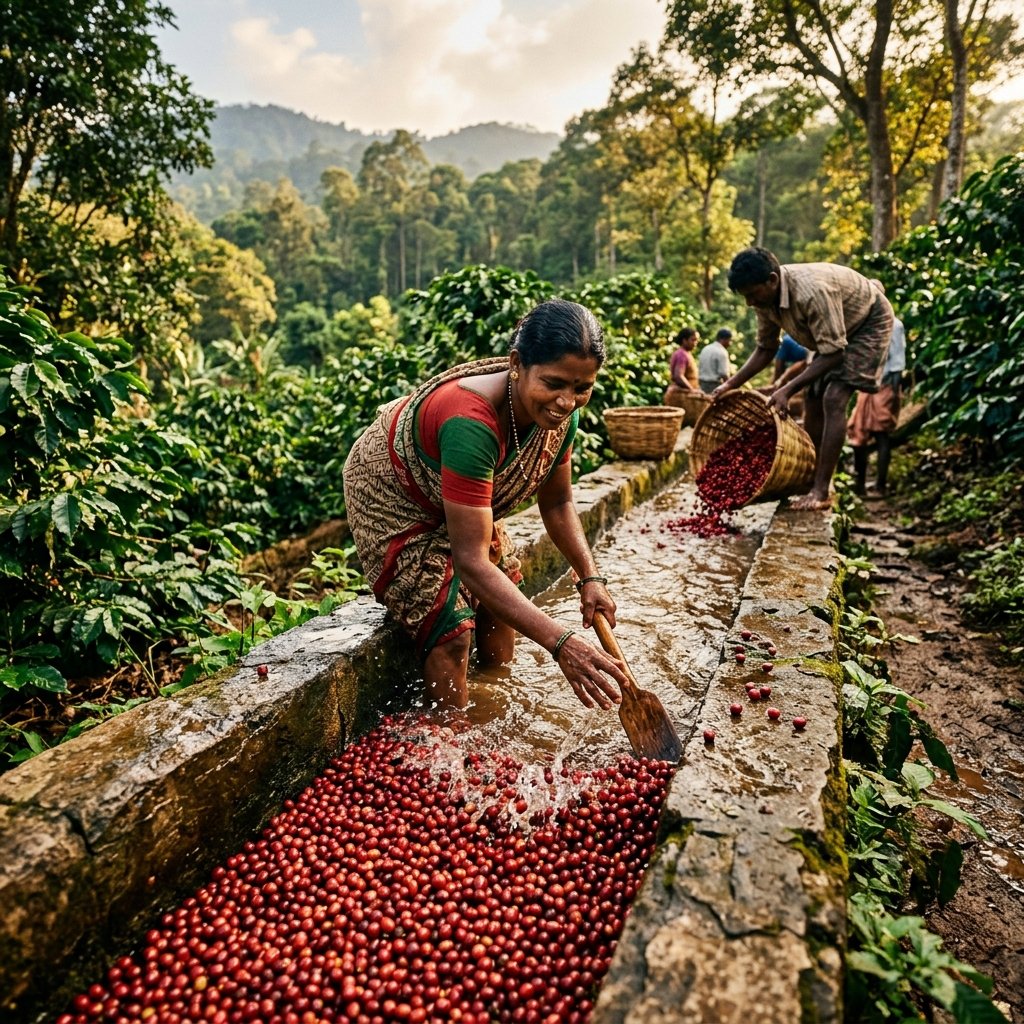
Karnataka lots span the full processing spectrum — and each method produces a distinctly different cup that serves different roasting programmes. Fully washed lots, such as our Kodagu Washed Arabica and Chikmagalur Washed Reserve, deliver the clean, transparent cup profile that specialty filter roasters require. The washing process removes all fruit residue before drying, resulting in a green bean that allows terroir — altitude, soil, variety — to speak clearly in the cup without interference from fermentation-derived flavour compounds.
Natural and honey-processed Karnataka lots occupy a different commercial space entirely. Our Bababudangiris Natural, with its wild berry and dried fig character, and the Sakleshpur Honey Process, with its silky body and peach-toffee sweetness, are precisely the kind of unconventional Indian coffees that help specialty roasters build distinctive single-origin programmes that their wholesale clients have not encountered before. These lots are not trying to replicate Ethiopian naturals — they express Karnataka's own version of fruit-forward processing on their own terroir.
Traceability, Certification, and What's in Every Shipment
Every MV Globex lot is assigned a unique digital traceability passport — a QR-linked document containing the farm GPS coordinates, estate name, harvest date, processing method, drying duration, milling specification, moisture content reading, and the cupping scoresheet completed by our in-house SCA Q-Grader. This documentation is delivered with the green bean invoice and is available in digital form for roasters who wish to use it in retail storytelling, QR-coded packaging, or wholesale client communication.
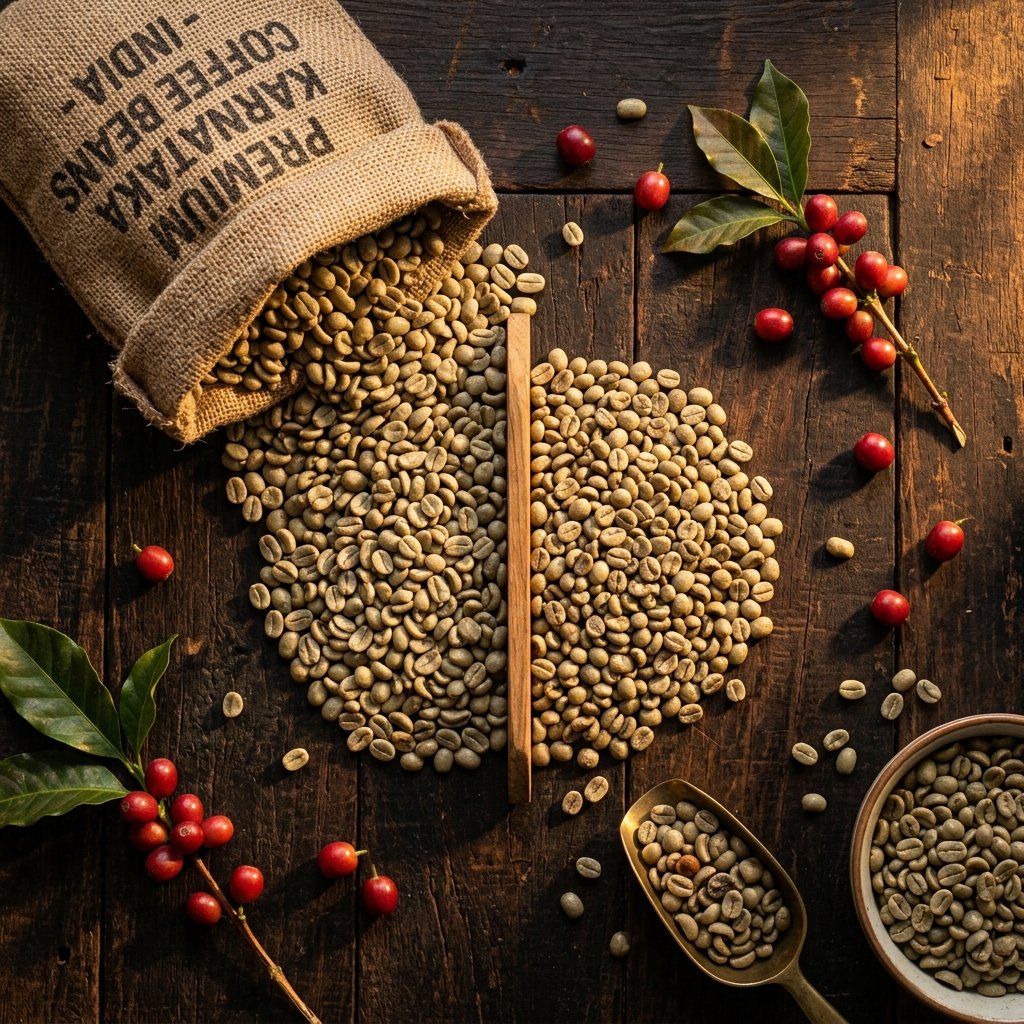
Our green beans are packed in GrainPro moisture-barrier bags within standard 60 kg jute sacks for full container loads (FCL), or vacuum-sealed and nitrogen-flushed for smaller less-than-container-load (LCL) consignments. All lots are shipped with complete FSSAI, phytosanitary, and certificate of origin documentation. Customs support is provided for all major importing markets including the EU, UK, USA, Japan, South Korea, and Australia. We offer pre-shipment samples by default — no buyer should commit to a container without cupping the exact lot they are purchasing.
How to Order and Minimum Quantities
MV Globex works with specialty roasters, green bean importers, private-label buyers, and coffee retailers across 42+ countries. Our minimum export quantity for any single lot is 1 metric ton (approximately 16 x 60 kg bags). Full container loads (17–18 MT) receive preferential FOB pricing. For buyers purchasing multiple lots simultaneously, we offer consolidated container packing — allowing roasters to access our full Karnataka range in a single FCL shipment with one set of documentation and freight costs. Contact us at export@bunchtool.com or +91 84316 98007 to begin a conversation about your programme requirements.